
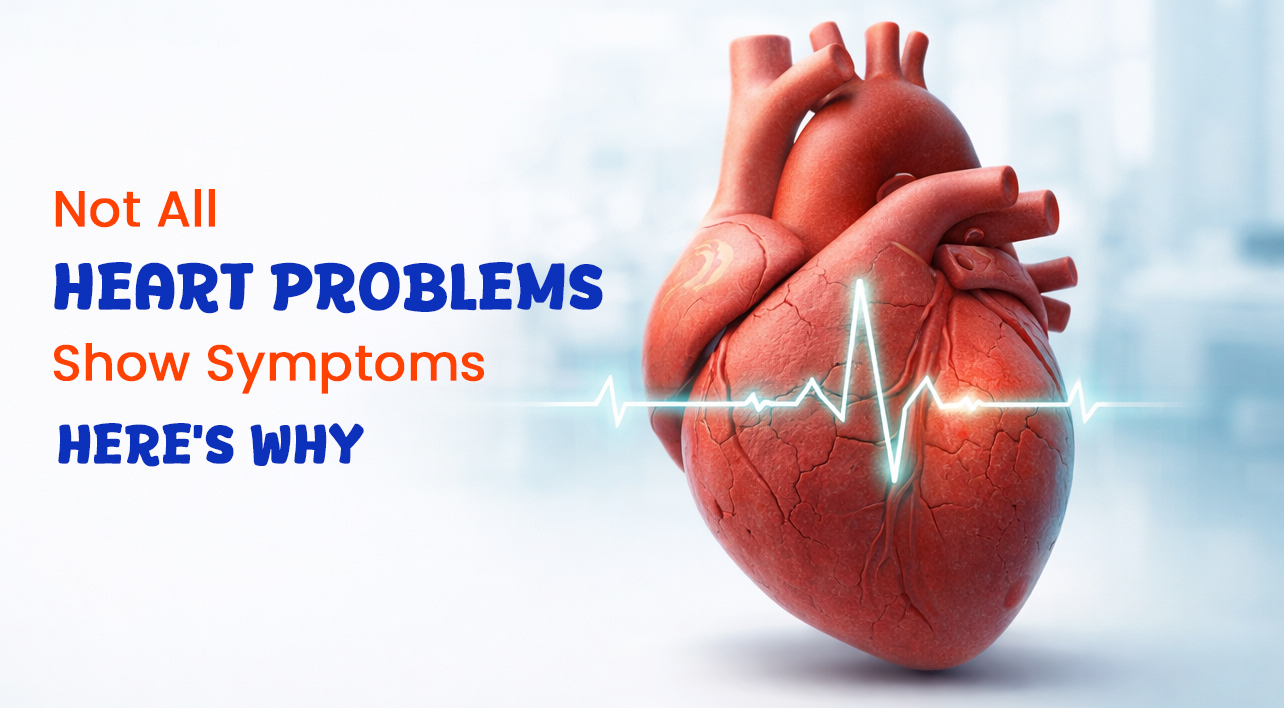
Many people believe that heart problems always come with warning signs like chest pain or breathlessness. However, the truth is not all heart problems show symptoms, especially in the early stages.
This is why many serious heart conditions go unnoticed until they become severe. Understanding these “silent” heart issues can help in early detection and prevention.
If you are looking for a cardiologist in Hyderabad, consulting an expert like Dr. Soumen Devidutta, Senior Consultant Cardiologist & Electrophysiologist, can help identify hidden heart conditions early.
Why Do Some Heart Problems Show No Symptoms?
Certain heart conditions develop gradually and may not produce noticeable symptoms initially. These are often called silent heart diseases.
Common reasons include:
- Slow progression of disease
- Body adapting to reduced blood flow
- Lack of pain signals in certain conditions
- Mild or non-specific symptoms
Because of this, patients may feel “normal” while underlying damage continues.
Common Silent Heart Conditions
Some heart problems without symptoms include:
1 Silent Heart Attack
A heart attack without typical chest pain. Patients may experience mild discomfort, fatigue, or no symptoms at all.
2 Arrhythmia (Irregular Heartbeat)
Some heart rhythm disorders may not cause noticeable symptoms but can increase the risk of complications.
3 Coronary Artery Disease
Blockages in heart arteries can develop slowly without symptoms until they become severe.
4 High Blood Pressure
Often called a “silent killer,” it may not show symptoms but damages the heart over time.
Hidden Symptoms You Should Not Ignore
Even if symptoms are mild, they may indicate underlying heart problems:
- Unexplained fatigue
- Mild breathlessness
- Occasional palpitations
- Dizziness
- Reduced exercise tolerance
If you notice these signs, it’s important to consult a heart specialist in Hyderabad for evaluation.
Why Regular Heart Checkups Are Important
Since many heart diseases show no symptoms, regular screening becomes essential.
A heart checkup in Hyderabad may include:
- ECG (Electrocardiogram)
- Echocardiography
- Blood tests
- Holter monitoring
- Stress test
Early detection helps prevent serious complications like heart attack or stroke.
When Should You See a Cardiologist?
You should consult a specialist if you:
- Have risk factors for heart disease
- Experience unexplained fatigue or dizziness
- Notice irregular heartbeat
- Have a family history of cardiac problems
For expert diagnosis and treatment, consult Dr. Soumen Devidutta, Cardiologist & Electrophysiologist in Hyderabad, at Apollo Hospitals Jubilee Hills.
Expert Heart Care in Hyderabad
If you are searching for a cardiologist in Hyderabad for heart checkup, early consultation can make a significant difference.
Dr. Soumen Devidutta specializes in diagnosing hidden heart conditions and managing complex heart rhythm disorders with advanced care.
Conclusion
Not all heart problems show symptoms, but that doesn’t mean they are harmless. Silent heart conditions can progress without warning and lead to serious complications.
Regular checkups, awareness, and timely consultation with a heart specialist are key to protecting your heart health.
FAQs
❓ Can heart problems occur without any symptoms?
Yes, many conditions like silent heart disease, high blood pressure, and arrhythmias may not show clear symptoms in early stages but can still be dangerous if untreated.
❓ How can I detect heart problems if there are no symptoms?
Regular heart checkups in Hyderabad, including ECG, echocardiogram, and blood tests, can help detect hidden heart conditions early.
❓ Who should go for a heart checkup even without symptoms?
People with risk factors like diabetes, high blood pressure, obesity, smoking, or family history of heart disease should consult a cardiologist in Hyderabad for preventive screening.
❓ When should I consult Dr. Soumen Devidutta?
You should consult Dr. Soumen Devidutta, Cardiologist & Electrophysiologist in Hyderabad, if you have risk factors, unexplained fatigue, palpitations, or want a preventive heart evaluation.