Turning 35 is an important milestone not just in life, but for your heart health too. Many heart conditions begin silently in your 30s and 40s without obvious symptoms. By the time warning signs appear, significant damage may already have occurred.
The good news? Simple heart tests can detect problems early and prevent major cardiac events like heart attacks or stroke.
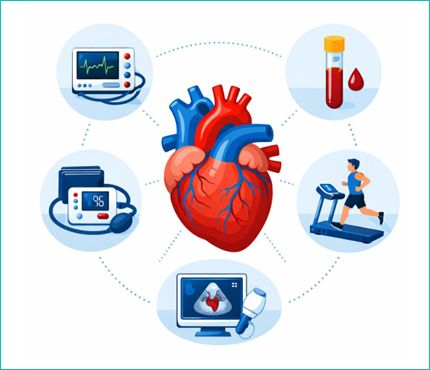
Here are 5 essential heart tests everyone over 35 should consider , especially if you have risk factors like diabetes, high blood pressure, cholesterol, smoking, obesity, stress, or a family history of heart disease.
1. Electrocardiogram (ECG)
An ECG records the electrical activity of your heart.
Why it matters:
- Detects irregular heart rhythms (arrhythmias)
- Identifies previous silent heart attacks
- Screens for heart enlargement
- Helps detect conduction abnormalities
It’s quick, painless, and takes just a few minutes but provides valuable insight into your heart rhythm.
2. Lipid Profile (Cholesterol Test)
High cholesterol is one of the leading causes of artery blockages.
This test measures:
- LDL (bad cholesterol)
- HDL (good cholesterol)
- Triglycerides
- Total cholesterol
Elevated LDL can silently build plaque in arteries for years before causing symptoms.
3. Blood Pressure Monitoring
High blood pressure is called the “silent killer” because it rarely causes symptoms until complications develop.
Why regular monitoring is important:
- Prevents heart attack
- Reduces stroke risk
- Protects kidney function
- Prevents heart failure
Even mildly elevated readings should not be ignored after age 35.
4. 2D Echocardiogram (Heart Ultrasound)
An Echocardiogram uses sound waves to create images of the heart.
It helps detect:
- Weak heart muscle (cardiomyopathy)
- Valve problems
- Structural abnormalities
- Pumping efficiency (ejection fraction)
This test is especially important if you experience breathlessness, fatigue, or have a family history of heart disease.
5. TMT / Stress Test (Treadmill Test)
A Treadmill Test (TMT) evaluates how your heart performs under physical stress.
It helps identify:
- Hidden coronary artery disease
- Exercise-induced chest pain
- Blood flow limitations
- Early blockages not seen at rest
This is particularly useful for people with risk factors or those who plan to start intense physical activity.
Who Should Definitely Get These Tests?
You should prioritize heart screening if you:
- Are over 35 years old
- Have diabetes or pre-diabetes
- Have high cholesterol
- Have high blood pressure
- Smoke or consume alcohol regularly
- Have a family history of heart disease
- Lead a sedentary lifestyle
- Experience chest discomfort, palpitations, or breathlessness
Why Early Screening Matters
Heart disease does not develop overnight. It builds silently over years. Early detection allows:
- Timely lifestyle changes
- Medication when needed
- Prevention of heart attacks
- Better long-term outcomes
“Most heart attacks are preventable with early screening and risk control. A simple check-up today can save your life tomorrow."