
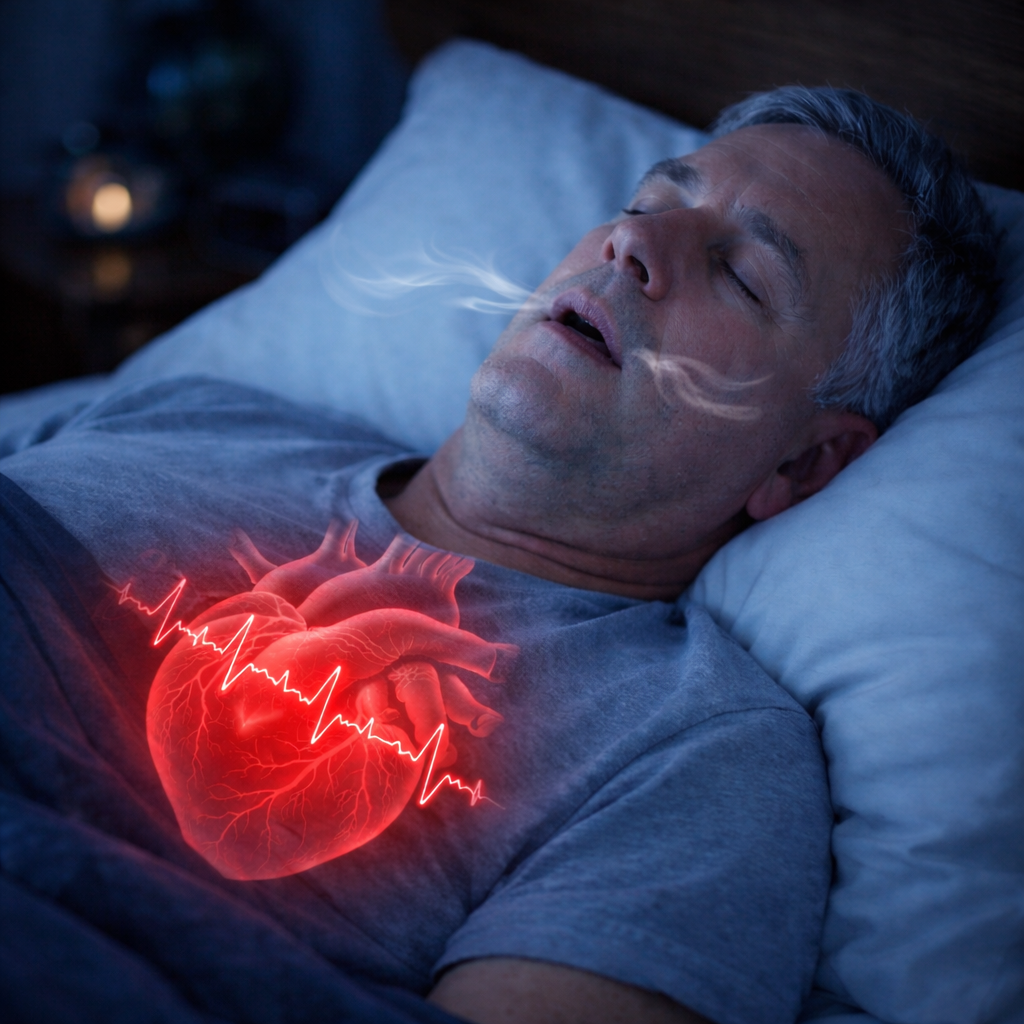
Sleep is essential for heart health, yet many people unknowingly suffer from a condition that silently damages their heart every night ,sleep apnea. Often dismissed as simple snoring, sleep apnea is a serious sleep disorder that has a strong and proven connection with heart disease.
Understanding this link can help prevent major cardiac complications such as high blood pressure, heart attacks, arrhythmias, and heart failure.
What Is Sleep Apnea?
Sleep apnea is a condition where breathing repeatedly stops and starts during sleep, reducing oxygen levels in the blood. These pauses can occur dozens ,even hundreds of times per night.
Common Types of Sleep Apnea:
- Obstructive Sleep Apnea (OSA): Caused by airway blockage during sleep (most common)
- Central Sleep Apnea: Due to poor brain signalling to breathing muscles
- Complex Sleep Apnea: A combination of both
Common Symptoms You Should Not Ignore
Many people are unaware they have sleep apnea. Warning signs include:
- Loud, chronic snoring
- Gasping or choking during sleep
- Daytime sleepiness or fatigue
- Morning headaches
- Poor concentration
- Irritability or mood changes
Left untreated, these symptoms can silently strain the heart.
How Sleep Apnea Affects the Heart
1. Raises Blood Pressure
Repeated drops in oxygen trigger stress hormones, causing blood pressure to rise a major risk factor for heart disease and stroke.
2. Triggers Arrhythmias
Sleep apnea significantly increases the risk of irregular heartbeats, especially Atrial Fibrillation (AF). Patients with untreated sleep apnea have a higher chance of AF recurrence even after treatment.
3. Increases Risk of Heart Attacks
Low oxygen levels and inflammation damage blood vessels, accelerating plaque buildup and increasing the risk of coronary artery disease.
4. Worsens Heart Failure
Sleep apnea forces the heart to work harder, weakening the heart muscle over time and worsening heart failure symptoms.
5. Raises Risk of Sudden Cardiac Events
Severe sleep apnea is associated with sudden cardiac death, especially during nighttime hours.
Who Is at Higher Risk?
You may be at increased risk if you:
- Are overweight or obese
- Have a thick neck or narrow airway
- Have diabetes or high blood pressure
- Smoke or consume alcohol regularly
- Have a family history of sleep apnea
- Are male or post-menopausal
How Is Sleep Apnea Diagnosed?
Diagnosis usually involves:
- Sleep study (Polysomnography)
- Home sleep testing in selected patients
Early diagnosis allows timely treatment and reduces cardiac risk.
Treatment Options That Protect the Heart
- CPAP therapy (gold standard treatment)
- Weight loss and lifestyle changes
- Avoiding alcohol and smoking
- Positional therapy
- Oral appliances
- Surgical options in selected cases
Treating sleep apnea can significantly improve blood pressure, heart rhythm stability, and overall heart health.
Expert Insight from Dr. Soumen Devidutta
“Sleep apnea is a hidden but powerful contributor to heart disease. Treating it not only improves sleep quality but also reduces the risk of arrhythmias, heart failure, and heart attacks.”
Don’t Ignore Sleep or Heart Symptoms
If you snore loudly, feel excessively tired during the day, or have heart rhythm problems, you may need evaluation for sleep apnea.
Early diagnosis can protect your heart and save lives.
Book your consultation today
Contact Information
Dr. Soumen Devidutta
Senior Consultant Cardiologist & Electrophysiologist
Apollo Hospitals, Jubilee Hills
For Appointment: 9133409036